Fearless Draft,
Explained Properly
Fearless draft turns a best-of series into a single, continuous draft. Every champion picked is burned for the rest of the series — so a team that only knows one composition runs out of answers by game two.
This guide covers the exact rules, the one everybody gets wrong, the champion pool depth the format demands, and how it should change the way you ban.
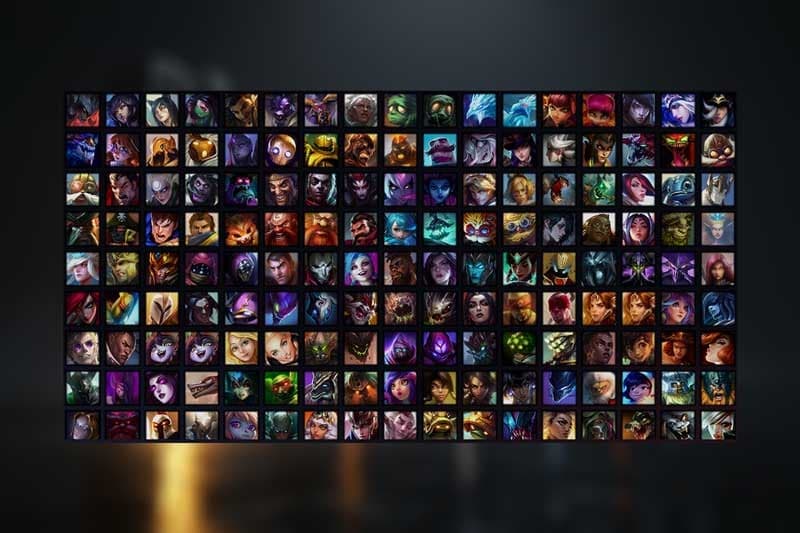
What fearless draft is
In a standard best-of series, each game starts from a blank slate: the same champion can be picked in game one, game two and game three. Teams converge on the handful of champions the current patch rewards, and a series often becomes the same draft played three times.
Fearless draft removes that reset. Champions consumed in one game stay consumed for the remainder of the series. The pool shrinks game after game, and the teams that prepared more than one identity are the ones still holding real options in game three.
The format is not part of the standard ruleset used by the main regional leagues. It grew out of community tournaments, scrim blocks and third-party events — which is exactly why the details differ between organisers, and why the section on variants below matters before you start a series.
The exact rules
The version implemented by most organisers, and the one PROBAN runs, comes down to four statements:
- 01Every champion picked in a game is locked for the rest of the series.
- 02A locked champion can be neither picked nor banned in later games.
- 03The lock is global — it applies to both teams, not just the team that picked.
- 04The lock lasts for the series only, and resets when a new series begins.
Ten champions are picked per game, so a series burns ten champions per game regardless of who wins. That number is the backbone of everything that follows.
Why bans behave differently — and what it costs you
Here is the rule that decides series and that almost nobody states out loud: bans do not carry over. Only picks do. A champion your opponent banned in game one is fully available again in game two, for either team.
The consequence is counter-intuitive. In a normal series, banning a champion your opponent loves is pure value. In a fearless series, that ban protects the champion: by removing it from the game, you prevent it from being consumed, and it comes straight back in the next game — still in their hands.
This does not mean you should stop banning. It means each ban now carries a question that does not exist in a standard series: am I better off denying this champion now, or letting it burn? Bans keep their full value against champions that are genuinely unbeatable on the patch, or against a first-pick you cannot afford to face this game. They lose value against comfort picks you would rather see spent early.
How deep your champion pool has to be
The arithmetic is unforgiving, and it is the reason fearless punishes shallow preparation harder than any other format.
| Series | Champions burned | Per team | Per role, per team |
|---|---|---|---|
| BO1 | 10 | 5 | 1 |
| BO3 | 30 | 15 | 3 |
| BO5 | 50 | 25 | 5 |
A full BO5 consumes up to fifty distinct champions. Split evenly, that is five playable champions per role, per team — not five champions you have heard of, five you can be trusted to play in a game that decides the series.
In practice the load is never evenly spread. Flex picks that fit two roles buy you real slack, because they can be assigned wherever the pool has thinned. Conversely, a player with three genuine champions in a BO5 becomes a target: the opposing team only has to burn those three to force them onto something they have never played on stage.
How it changes drafting
Game one is not a free game
Opening with your strongest, most comfortable composition is the instinct — and it spends your best champions immediately. The alternative is to hold something back for the decider. Both are defensible; drifting between them without deciding is not. Agree on a series plan before game one, not during game two.
Blind picks get harder every game
Blind-picking a champion assumes you have an acceptable answer to whatever comes back. As the pool shrinks, the set of possible answers shrinks with it, and the safe blind picks — the ones with no losing matchups — are usually consumed first. Blind picks in game three carry a risk they simply do not carry in game one.
Target the shallow pool
Every roster has one player whose pool is narrower than the rest. In fearless, that player is the series plan. You do not need to beat them in lane; you need the format to run their champions out before game three.
Track what is gone, not just what is left
Good fearless teams keep a live list of what has been consumed on both sides. It tells you which compositions are still available to the opponent, and which of your own contingency drafts have quietly stopped being possible. Doing this from memory during a series is how teams end up drafting a composition that no longer exists.
Variants to agree on before you start
Because no central ruleset governs the format, organisers implement it differently. Sort these out before the first pick, not after a dispute:
Running a fearless draft on PROBAN
PROBAN implements the standard variant: picks lock globally for the series, bans do not carry over, and the locked list is maintained for you between games.
- 01Create a League of Legends room and enable fearless mode, choosing BO3 or BO5.
- 02Share the team A, team B and spectator links — no account needed on any side.
- 03Draft game one normally: six bans, six picks, four bans, four picks.
- 04When the game ends, either team clicks “Next Game”. The board resets and every champion picked so far is greyed out for both sides.
- 05Repeat until the series is complete. The locked list accumulates across every game.
Tournament organisers can also drive it from the API: create the room with fearless: true and a bo value, and each finished game posts its result — including the accumulated locked champions — to your callback URL.
FAQ
Do banned champions stay banned in the next game?
No. Only champions that were picked carry over. A champion your opponent banned in game 1 is available again in game 2 — for either side. This is the single most misunderstood rule of the format.
How many champions do I need for a fearless BO3?
Thirty distinct champions are consumed across a BO3 — ten per game. That is roughly fifteen per team, or three per role if the roles are drafted evenly. For a BO5 the series burns up to fifty champions, so plan for five per role.
Does fearless draft reset between series?
Yes. The lock only applies within one series. A new series starts from a clean champion pool.
Can both teams pick the same champion in different games?
No. The lock is global to the series, not per team. Once a champion has been picked by anyone, it is gone for everyone until the series ends.
Is fearless draft an official Riot format?
It is not part of the standard tournament ruleset used in the main regional leagues. It spread through community tournaments, scrims and third-party events, which is why the exact rules vary between organisers — always confirm which variant is in use before the series starts.
Can I run a fearless draft on PROBAN?
Yes, and it is free. Enable fearless mode when you create your League of Legends room, choose BO3 or BO5, and PROBAN carries the locked champions from one game to the next automatically.